Skip to content
One Day·Safari DEEN from $106.67
Elephant family crossing a shallow lowveld river in the morning light – view in Kruger National Park

05:30 · Gates open

Kruger National Park: Elephants in the Sabie River, in the morning, just past Hazyview.

South Africa's largest national park is five hours' drive from Johannesburg but only ten kilometres from Hazyview. What entry costs until October and from November 2026, when the gates open each month, how the daily quota works and which game drives are booked most.

5:00 hDrive time one way1ReservesyesBig FiveriskMalaria 453reviews Checked on 2 October 2026

AI-generated illustrative image

05:30 · Gate

Kruger National Park: The essentials in 30 seconds

At 19,623 km², Kruger National Park is South Africa's largest national park and stretches 360 km from north to south; SANParks lists 147 mammal and 507 bird species, including all of the Big Five. From Johannesburg it is only possible as a very long day: the Malelane Gate is 392 km and 4 hours 21 minutes of pure driving away, around five hours each way with stops. As a day safari, however, the park works well from Hazyview, White River, Mbombela (Nelspruit), Malelane or Marloth Park, because the southern gates Phabeni, Paul Kruger Gate, Numbi, Malelane and Crocodile Bridge are a few minutes to just under an hour away from there.

Johannesburg to the Malelane Gate is 392 km and 4 hrs 21 min of pure driving via the N12 and N4 (krugerpark.co.za); SANParks gives 428 km to Malelane and 411 km to Numbi via the N4. Johannesburg to Hazyview is around 403 km and a good 4.5 hours. From Hazyview it is 10 km to the Phabeni Gate and 41 km on the R536 to the Paul Kruger Gate. Flights from Johannesburg to Skukuza or to Kruger Mpumalanga International Airport (KMIA) near Mbombela take about an hour each.

Drive time
Johannesburg to the Malelane Gate is 392 km and 4 hrs 21 min of pure driving via the N12 and N4 (krugerpark.co.za); SANParks gives 428 km to Malelane and 411 km to Numbi via the N4. Johannesburg to Hazyview is around 403 km and a good 4.5 hours. From Hazyview it is 10 km to the Phabeni Gate and 41 km on the R536 to the Paul Kruger Gate. Flights from Johannesburg to Skukuza or to Kruger Mpumalanga International Airport (KMIA) near Mbombela take about an hour each.
Big Five
All of the Big Five live in the park. A 2024 study estimates the elephant population at around 31,300 animals for 2020; rhinos have declined sharply because of poaching, to about 1,850 white and 210 black rhinos at the end of 2022 according to the SANParks annual report 2022/23. Lions, leopards and buffalo occur throughout the park, but no sighting is guaranteed.
Malaria
Kruger National Park is a malaria area. The German Federal Foreign Office gives a seasonally high risk from September to May and a seasonally moderate risk from June to August for north-eastern Limpopo and Mpumalanga including Kruger, and considers chemoprophylaxis in addition to mosquito protection sensible in high-risk areas.
Price
Conservation Fee per day, international adults / children under 12 (1 November 2025 to 31 October 2026), plus 1% community levy: 602 ZAR / 300 ZAR
Best time
Kruger is open all year. The winter months from May to September are dry: according to the South African Weather Service (WMO, 1981 to 2010), Mbombela (Nelspruit) gets only 8 to 10 mm of rain in June and July, with daytime highs around 22 °C and lows around 7 °C; the bush is sparse and the animals gather at the waterholes.
01

Kruger National Park

National park · 19,623 km² · 5 h · 392 km

State-run national park in the Lowveld with tar and gravel roads, nine main gates and rest camps that all have a day visitor area. The south between Malelane, Crocodile Bridge, Skukuza and Lower Sabie is the quickest to reach from the towns on the park boundary and is where most day visitors go. It suits self-drivers in an ordinary hire car as well as booked game drives in open vehicles.

Honestly: From Johannesburg a day leaves only a few hours in the park, mostly around midday when the animals are least active. The south is busy at weekends and in the school holidays; once a gate's daily quota is reached, only visitors who have booked ahead get in. The park lies in a malaria area, and rhinos have become rare after years of poaching.

Big Five
yes
Malaria
risk
Wildlife
Elephant (around 31,300, 2020 estimate), buffalo, lion, leopard, white rhino (about 1,850 at the end of 2022), black rhino (about 210), African wild dog, cheetah, spotted hyena, giraffe, plains zebra, hippo, Nile crocodile, impala, kudu, wildebeest; according to SANParks 147 mammal, 507 bird and 114 reptile species
Conservation Fee per day, international adults (1 November 2025 to 31 October 2026)
602 ZAR (2026-10-02)

Official website

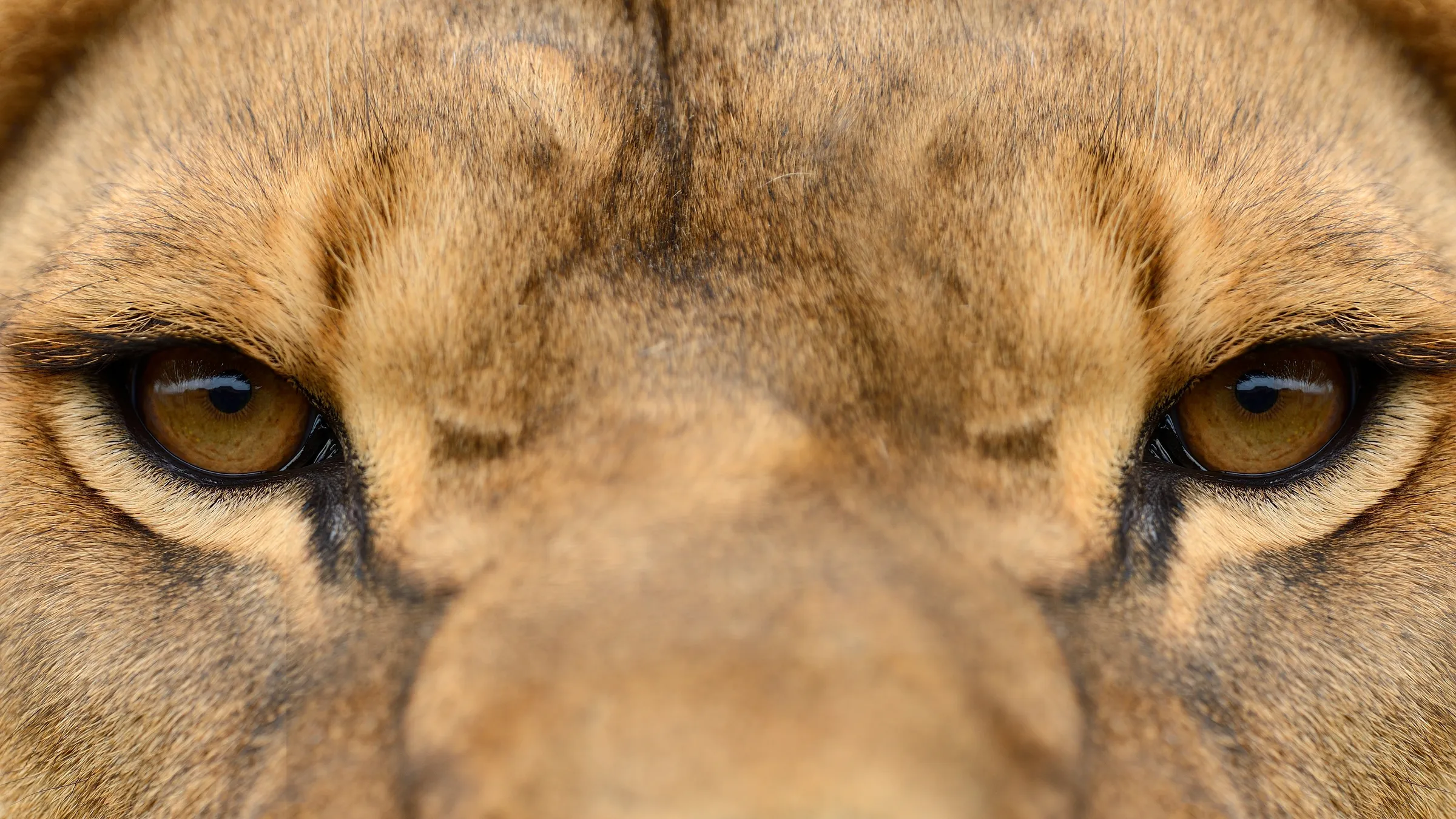
Close-up of a lioness's eyes – wildlife encounter in Kruger National Park

07:00 · Game drive

Eye to eye.

All of the Big Five live in Kruger, plus wild dogs, cheetahs, hyenas and around 31,000 elephants. The first hours after the gates open are the most rewarding. In an open vehicle from Hazyview or on your own, at 50 km/h on tar and 40 km/h on gravel.

Conservation Fee 602 ZAR international until 31.10.2026, from 1.11.2026 692 ZAR. Malaria area.

Photo: byrdyak, Envato Elements

The whole day

Kruger National Park · Itinerary: How it really goes.

  1. 05:00Pick-up in Hazyview, at 05:30 from April to September.
  2. 05:30Gates open at Phabeni, 10 km from Hazyview.
  3. 07:00Game drive in an open vehicle, 50 km/h on tar.
  4. 10:30Break at a rest camp's day visitor area.
  5. 15:00Back in Hazyview after around ten hours.

If you book a day safari from Hazyview, Legend Safaris collects you from your accommodation at 05:00 from October to March and at 05:30 from April to September and drives the 10 km to the Phabeni Gate, which opens at 05:30 or 06:00 depending on the month. What follows is a game drive of around ten hours in an open safari vehicle with up to ten seats, broken by a stop at a rest camp with a day visitor area; meals there are at your own expense. Morning half-day tours last six to seven hours, afternoon ones five to six. The Conservation Fee comes on top of these tours and is paid at the gate. Self-drivers go at their own pace at no more than 50 km/h on tar and 40 km/h on gravel and must leave the park before the gates close, at 17:30 in winter. A good-value middle way is Park & Ride: according to SANParks, four-hour game drives leave the Numbi, Phabeni and Paul Kruger gates at 07:00 and 14:00. Anyone driving from Johannesburg sets off before 05:00, reaches the gate around 09:30 at the earliest and is only back after dark.

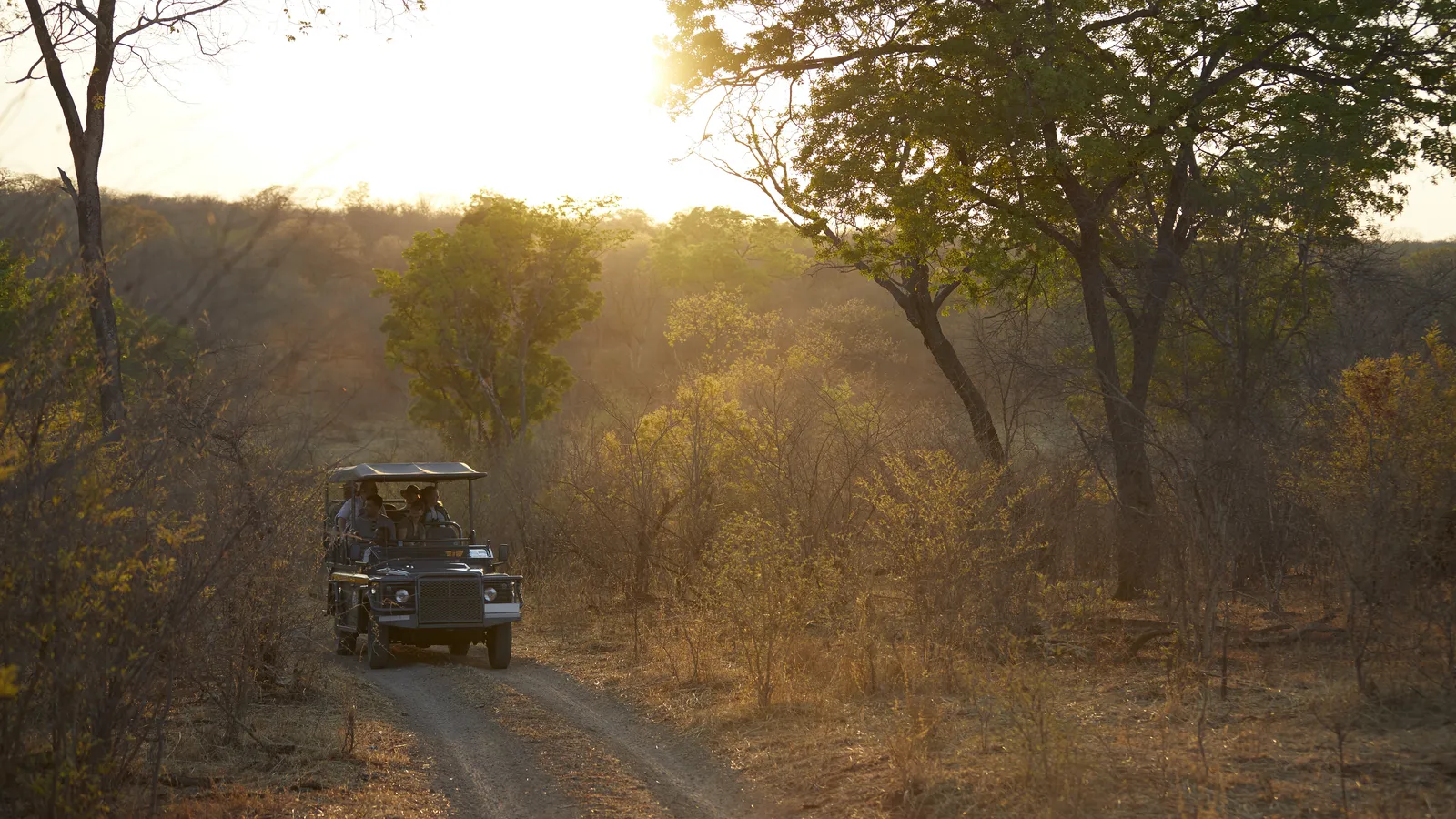
Open safari vehicle on a gravel track in the morning light – on the road in Kruger National Park
Photo: Image-Source, Envato Elements · Stock image

10:30 · Decide

Kruger National Park · Day tours: The day tours people actually book.

Sorted by number of reviews, only tours with genuine reviews. Booking via GetYourGuide or Viator through affiliate links (advertising), same price as booking direct. Prices as of 3 October 2026, in US dollars.

Show all 25 tours
Half day

From Hazyview: Kruger National Park Morning Half-Day Safari

★ 4.7 · 45 reviews · 7 hours · Guided tour

from$64Availability →

via GetYourGuide · usually free cancellation up to 24 h before

Full day

Kruger National Park One Day Safari from Johannesburg

★ 4.4 · 24 reviews · 15 hours · Day trip

from$446.74Availability →

via GetYourGuide · usually free cancellation up to 24 h before

Private

Kruger Park - Full day - Private open safari vehicle

★ 5.0 · 24 reviews

from$247.04Availability →

via Viator

Half day

Kruger National Park Morning Game Drive from Hazyview

★ 4.5 · 20 reviews

from$114.40Availability →

via Viator

Full day

From Johannesburg: Full-Day Kruger National Park Safari

★ 4.8 · 16 reviews · 9 hours · Day trip

from$419.65Availability →

via GetYourGuide · usually free cancellation up to 24 h before

Full day

Full Day Safari in the Kruger National Park from Hazyview

★ 4.9 · 15 reviews

from$129.86Availability →

via Viator

Full day

Full Day Kruger Park Safari From Hazyview

★ 5.0 · 15 reviews

from$106.98Availability →

via Viator

Full day

Kruger National Park One Day Safari from Johannesburg

★ 4.1 · 7 reviews

from$460Availability →

via Viator

Half day

Kruger Park Safari - Half Day Game Drive from Hazyview

★ 5.0 · 5 reviews

from$86.26Availability →

via Viator

Full day

Full Day Kruger Safari Open Vehicle From Hazyview

★ 4.8 · 4 reviews

from$123.06Availability →

via Viator

Half day

Morning Safari in Kruger National Park from Hazyview (AM KNP)

★ 5.0 · 4 reviews

from$98.94Availability →

via Viator

Full day

Full Day Big 5 Game Safari in Kruger National Park from Hazyview

★ 5.0 · 3 reviews

from$183.35Availability →

via Viator

Full day

Kruger National Park Full Day Safari (Hoedspruit)

★ 5.0 · 3 reviews

from$89.72Availability →

via Viator

Full day

Kruger National Park Full Day Big 5 Safari Tour From Hazyview

★ 5.0 · 2 reviews

from$154.59Availability →

via Viator

Half day

Kruger National Park Morning Safari Experience (Minimum 2 Peope)

★ 4.5 · 2 reviews

from$67.40Availability →

via Viator

Half day

Half Day Shared Kruger Safari Hazyview

★ 5.0 · 1 reviews

from$48.23Availability →

via Viator

Official fees and prices

  • Conservation Fee per day, international adults (1 November 2025 to 31 October 2026)602 ZAR2026-10-02
  • Conservation Fee per day, international children under 12 (1 November 2025 to 31 October 2026)300 ZAR2026-10-02
  • Conservation Fee per day, international adults / children (1 November 2026 to 31 October 2027)692 ZAR / 345 ZAR2026-10-02
  • Full-day open vehicle game drive from Hazyview, adults / children under 12, excluding Conservation Fee (Legend Safaris, November 2025 to October 2026)1,550 ZAR / 800 ZAR2026-10-02
29 sourcesChecked on 2 October 2026No cookies, no trackingConservation Fee per day, international adults / children under 12 (1 November 2025 to 31 October 2026), plus 1% community levy: 602 ZAR / 300 ZAR
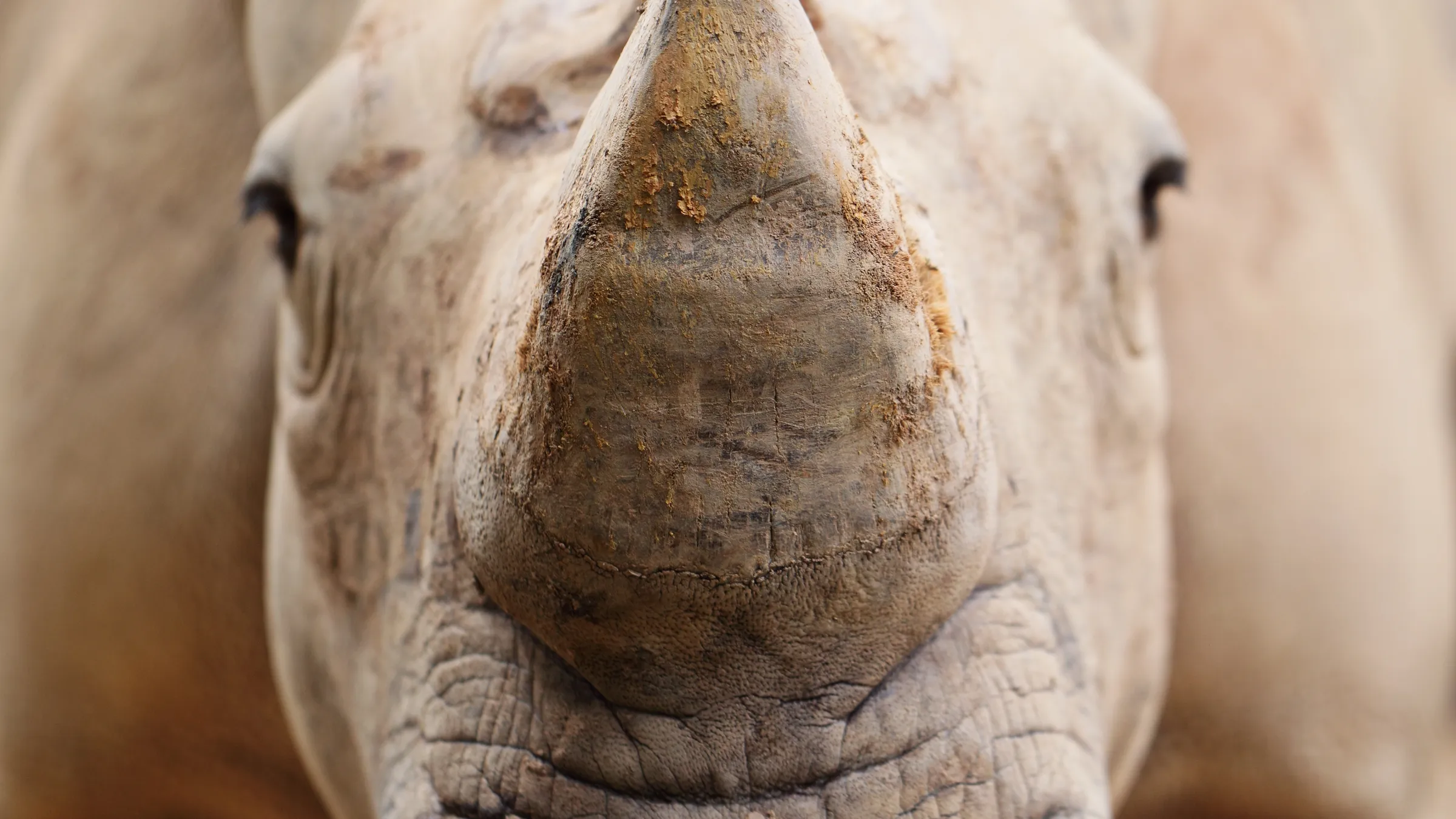
Rhino head-on in close-up, horn and skin – wildlife encounter in Kruger National Park

13:00 · Second look

Kruger National Park: What the web gets wrong.

Kruger National Park is only three hours from Johannesburg.

The Malelane Gate is 392 km and 4 hours 21 minutes of pure driving away, Hazyview around 403 km and a good four and a half hours. Three hours will get you to Mbombela (Nelspruit) at most.

The 2026/27 entrance fee has not been announced yet.

Travel blogs still said so in August 2026. SANParks has published the tariffs from 1 November 2026: 692 ZAR for international adults and 345 ZAR for children instead of 602 and 300 ZAR.

Kruger is malaria-free in winter.

The German Federal Foreign Office gives a seasonally moderate risk for June to August and a high one for September to May. The park is not malaria-free in any month.

Day visitors can get into Kruger at any time.

Every gate has a daily quota which, according to SANParks, applies all year and is reached on long weekends and in the school holidays. Then only pre-booked visitors get in, and everyone else waits until others leave the park.

A day tour from Johannesburg includes the early morning drive.

The gates open at 05:30 or 06:00 depending on the month. If you leave Johannesburg at 05:00, you reach the gate around 09:30 at the earliest and miss the most active hours.

You are guaranteed to see the Big Five in Kruger.

Poaching has reduced the rhinos from 9,383 animals in 2013 to around 2,060 at the end of 2022. Leopards are shy, and no operator guarantees sightings.

You can drive as fast in the park as on a country road.

SANParks limits speed to 50 km/h on tar and 40 km/h on gravel and carries out speed checks.

Photo: leungchopan, Envato Elements

13:00 · Know

Kruger National Park · Entrance fee 2026: What it costs.

Until 31 October 2026 the daily Conservation Fee is 602 ZAR for international adults and 300 ZAR for children under 12; SADC citizens pay 275 / 137 ZAR and South Africans 134 / 67 ZAR. From 1 November 2026 the SANParks tariff list gives 692 / 345 ZAR international, 296 / 147 ZAR SADC and 140 / 70 ZAR for South Africans. A 1% community levy is added.

Booking a day visit in advance adds a non-refundable booking fee, which in December 2025 was 59 ZAR per adult and 29 ZAR per child. A full-day open vehicle game drive from Hazyview costs 1,550 ZAR per adult at Legend Safaris, excluding the Conservation Fee, and the half-day tour 1,200 ZAR. Booked day tours from Johannesburg cost more because of the long journey; the price is in each listing.

Tipping the guide is customary in South Africa. The international Wild Card for all parks costs 4,680 ZAR per person per year and only pays off from around eight park days.

Official fees and prices

  • Conservation Fee per day, international adults / children under 12 (1 November 2025 to 31 October 2026), plus 1% community levy602 ZAR / 300 ZARAs of 2026-10-02
  • Conservation Fee per day, SADC nationals adults / children (1 November 2025 to 31 October 2026)275 ZAR / 137 ZARAs of 2026-10-02
  • Conservation Fee per day, South African citizens adults / children (1 November 2025 to 31 October 2026)134 ZAR / 67 ZARAs of 2026-10-02
  • Conservation Fee per day, international adults / children (1 November 2026 to 31 October 2027)692 ZAR / 345 ZARAs of 2026-10-02
  • Conservation Fee per day, SADC nationals adults / children (1 November 2026 to 31 October 2027)296 ZAR / 147 ZARAs of 2026-10-02
  • Conservation Fee per day, South African citizens adults / children (1 November 2026 to 31 October 2027)140 ZAR / 70 ZARAs of 2026-10-02
  • Booking fee for pre-booked day visits, adults / children, non-refundable (as of December 2025)59 ZAR / 29 ZARAs of 2025-12-18
  • Park & Ride: four-hour game drive from Numbi, Phabeni or Paul Kruger Gate (07:00 to 11:00 and 14:00 to 18:00)Price not published online by SANParks, ask at the gatesAs of 2026-10-02
All 9 prices
  • Wild Card International All Parks, individual, 1 year (1 November 2025 to 31 October 2026)4,680 ZARAs of 2026-09-23
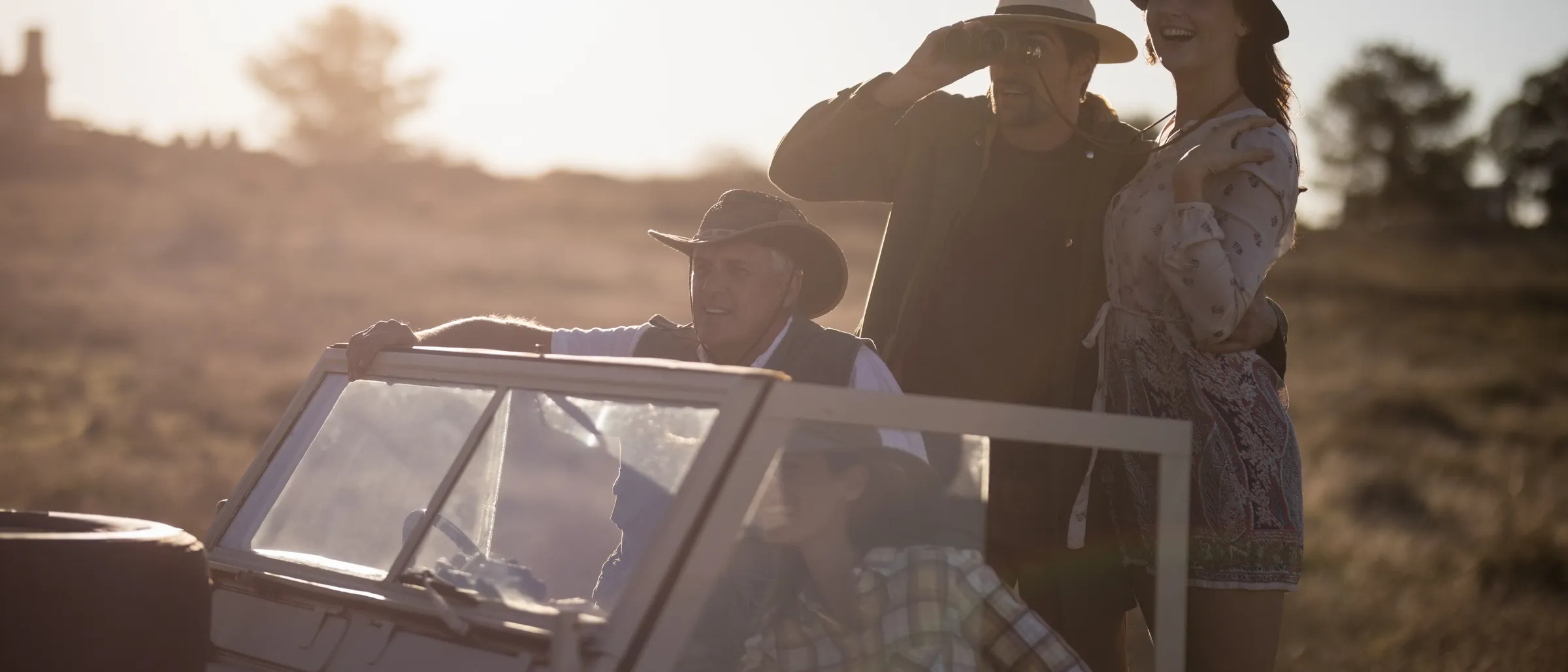
Guests in an open safari vehicle against the light – on the road in Kruger National Park
13:00 · Back through the evening lightPhoto: Wavebreakmedia, Envato Elements · Stock image

Best time to go

Kruger National Park · Best time to visit: When it is worth it.

Kruger is open all year. The winter months from May to September are dry: according to the South African Weather Service (WMO, 1981 to 2010), Mbombela (Nelspruit) gets only 8 to 10 mm of rain in June and July, with daytime highs around 22 °C and lows around 7 °C; the bush is sparse and the animals gather at the waterholes. From November to February it gets 103 to 132 mm of rain a month there, with highs of around 26 to 28 °C.
Skukuza inside the park lies at only 263 m and is considerably hotter: the weather service has recorded 45.6 °C there in February, but also −4.4 °C in June. Skukuza receives 553 mm of rain a year on average, on around ten days a month in the rainy season and two to three days from June to August. According to the German Federal Foreign Office, the malaria risk is high from September to May and moderate from June to August.

For day visitors the dry winter is therefore the most comfortable time, with cold mornings in an open vehicle.

Who you might meet

Elephant (around 31buffalolionleopardwhite rhino (about 1black rhino3002020 estimate)850 at the end of 2022)African wild dogcheetahspotted hyenagiraffeplains zebrahippoNile crocodileimpalakudu

All of the Big Five live in the park. A 2024 study estimates the elephant population at around 31,300 animals for 2020; rhinos have declined sharply because of poaching, to about 1,850 white and 210 black rhinos at the end of 2022 according to the SANParks annual report 2022/23. Lions, leopards and buffalo occur throughout the park, but no sighting is guaranteed.

Kruger National Park is a malaria area. The German Federal Foreign Office gives a seasonally high risk from September to May and a seasonally moderate risk from June to August for north-eastern Limpopo and Mpumalanga including Kruger, and considers chemoprophylaxis in addition to mosquito protection sensible in high-risk areas.

Who is it for?

With children

Easily done from Hazyview or Malelane, not recommended from Johannesburg at more than twelve hours. Children under 12 pay about half the Conservation Fee. In your own car you decide when to stop; according to SANParks, all main rest camps have day visitor areas. Because of the malaria risk, discuss prophylaxis for children with a doctor beforehand.

Malaria

Malaria area. The German Federal Foreign Office gives a seasonally high risk from September to May and a seasonally moderate one from June to August. Consistent mosquito protection at dusk is always needed; whether chemoprophylaxis makes sense is a question for a travel health consultation.

Self-drive

Explicitly possible, an ordinary hire car is enough. The road network consists of tar and gravel roads; buses and vehicles over 4 tonnes are restricted to tar. Speed limit 50 km/h on tar and 40 km/h on gravel, and SANParks runs speed checks. Getting out is only allowed at designated places, doors stay closed and nothing may stick out of windows or the roof. You need your passport or ID at the gate.

Limited mobility

Works well in your own car or a closed vehicle, since you stay seated all day. Open safari vehicles have high steps; if climbing is difficult, ask the operator or drive yourself.

What to wear

Layers: in Mbombela the lows in June and July are around 7 °C, which feels colder in an open vehicle at gate opening. Even in winter middays reach 22 to 24 °C, and in summer Skukuza is often above 30 °C. Long, light-coloured clothing also helps against mosquitoes; add a sun hat, sunscreen and binoculars.

What to wear? Read the safari clothing guide →

Photography

A telephoto lens of 300 mm or more is worthwhile, because you have to stay on the roads. The best light and the most active animals come in the first hours after the gates open and before they close, which is why starting from Hazyview is so much more rewarding than from Johannesburg. Switch off the engine at sightings and leave room for other vehicles.

Budget

Until the end of October 2026 self-drivers pay only 602 ZAR per international adult, from November 692 ZAR. An open vehicle game drive from Hazyview costs around 1,200 to 1,550 ZAR on top. A day trip from Johannesburg costs more in time and fuel and gives less time in the park than a night on the park boundary.

Tips for the day

  1. 01Stay on the park boundary, for example in Hazyview, White River, Malelane or Marloth Park. Hazyview is only 10 km from the Phabeni Gate, so you are in the park at gate opening instead of at 09:30.
  2. 02Book your day visit in advance on sanparks.org during the holidays and on long weekends. Pre-booked visitors can take up to 80% of a gate's daily quota; once the quota is full, only they still get in.
  3. 03Arrive within your booked time slot at the gate (05:30 to 08:00, 08:00 to 10:00 or from 10:00). If you are late, you lose priority.
  4. 04Check whether the Conservation Fee is included in the tour price. On many game drives from Hazyview it is extra, and from 1 November 2026 it is 692 ZAR per international adult.
  5. 05Plan your return around the gate times: from May to July the gates close at 17:30, from November to February at 18:30.
  6. 06Do not drive from Johannesburg in the dark. The German Federal Foreign Office strongly advises against driving between towns at night because of accidents, potholes, animals on the road and robberies.
  7. 07If you have no vehicle but want a good-value drive, ask at the Numbi, Phabeni or Paul Kruger gates about Park & Ride, the four-hour SANParks game drive run with a community project.
  8. 08Take mosquito repellent for dusk, even in winter. From June to August the malaria risk in Kruger is only lower, not gone.

15:00 · Back

Kruger National Park: Frequently asked questions.

How much does a safari in Kruger National Park cost?

As a self-driver you only pay the Conservation Fee: until 31 October 2026, 602 ZAR per international adult per day, from 1 November 2026, 692 ZAR, with children under 12 paying about half. A full-day open vehicle game drive from Hazyview costs, for example, 1,550 ZAR per adult at Legend Safaris, plus the Conservation Fee. Tours from Johannesburg cost more because of the long journey.

How much is a day visit at Kruger?

From 1 November 2025 to 31 October 2026 the daily Conservation Fee for international visitors is 602 ZAR per adult and 300 ZAR per child under 12; SADC citizens pay 275 ZAR and South Africans 134 ZAR. From 1 November 2026 it rises to 692 / 345 ZAR international. A 1% community levy is added, plus a booking fee if you book in advance.

Can you do Kruger as a day trip from Johannesburg?

It is possible but not recommended. The Malelane Gate is 392 km and at least 4 hours 21 minutes away each way, more like five with stops. That leaves two to three hours in the park, mostly around midday. It is better to spend at least one night in Hazyview, White River or Malelane.

What is the best way to get from Johannesburg to Kruger?

By hire car on the N4 to Mbombela and on to Hazyview or Malelane, around four and a half to five hours. Faster is a flight to Skukuza inside the park or to Kruger Mpumalanga International Airport near Mbombela, about an hour each. From the airport you continue to the gate by hire car or transfer.

Is it safe to drive from Joburg to Kruger?

The usual route runs via the N12 and N4 and is driven by many travellers. However, the German Federal Foreign Office strongly advises against driving between towns at night and mentions violent protests around Emalahleni on this route. Drive in daylight, refuel at large service stations and do not leave valuables visible in the car.

When do the gates open and close?

The entrance gates open at 05:30 from October to March and at 06:00 from April to September. They close at 18:30 from November to February, at 18:00 in March, April and from August to October, and at 17:30 from May to July. Day visitors must have left the park before the gates close.

Do I need to book a day visit in advance?

Outside the holidays usually not, but every gate has a daily quota. Pre-booked visitors can take up to 80% of it and have priority if they arrive within their time slot. During the school holidays and on long weekends, booking on sanparks.org is strongly recommended.

Do I need malaria tablets for Kruger?

The park is a malaria area: the German Federal Foreign Office gives a high risk from September to May and a moderate one from June to August. For high-risk areas it considers chemoprophylaxis in addition to mosquito protection sensible. Get medical advice before you travel.

What is the weather like in Kruger National Park?

Summer from November to February is hot and humid, with 103 to 132 mm of rain a month in Mbombela, and temperatures above 45 °C have been recorded in Skukuza. Winter from May to September is dry and sunny with daytime temperatures of around 22 to 25 °C, while mornings can drop below 10 °C. The dry winter is considered the best time for game viewing.

Self-drive or open vehicle game drive?

Self-driving is cheaper and more flexible, and an ordinary hire car is enough. In an open safari vehicle you sit higher, see more and the guide knows the latest sightings; from Hazyview this costs around 1,200 to 1,550 ZAR on top of the Conservation Fee. A good-value mix is SANParks Park & Ride from Numbi, Phabeni or Paul Kruger Gate.