Skip to content
One Day·Safari DEEN from $415
Elephant herd with calves beneath ancient baobabs in the dry season – view in Tarangire National Park

09:30 · Tarangire

Tarangire National Park: Elephants under baobabs, two hours beyond Arusha.

Leave Arusha in the morning, reach the gate around nine, and in the dry season hundreds of elephants stand along the Tarangire River and under the baobabs. What a day in Tarangire costs, which animals to expect and why blue is the wrong colour here.

2:00 hDrive time one way1ReservesnoBig FiveriskMalaria 135reviews Checked on 2 October 2026

AI-generated illustrative image

09:00 · Park gate

Tarangire National Park: The essentials in 30 seconds

Tarangire National Park lies around 120 km south-west of Arusha and, at about 2,850 km², is known for its elephants and baobabs. In the dry season the Tarangire River is the main source of water in the region, and thousands of zebra, wildebeest, buffalo and elephants move into the park from the surrounding land. It is two to three hours from Arusha, which makes it the most rewarding day safari; there are no rhinos, and the park is tsetse country.

Around 120 km from Arusha, almost entirely on tarmac. Wikipedia says under two hours, operators two to three hours depending on the hotel, traffic and photo stops.

Drive time
Around 120 km from Arusha, almost entirely on tarmac. Wikipedia says under two hours, operators two to three hours depending on the hotel, traffic and photo stops.
Big Five
Four of the Big Five live in the park: Safaribookings rates elephant and buffalo as abundant, lions as common and leopards as rare. Safaribookings lists rhinos in Tarangire as “None”.
Malaria
The German Federal Foreign Office states a high year-round malaria risk for all of Tanzania below 2,500 metres, explicitly including the national parks. Tarangire lies well below that, so the whole park is within the risk area, as is Arusha at around 1,400 metres. According to Safaribookings there are fewer mosquitoes in the dry season, but the risk remains.
Price
TANAPA Conservation Fee Tarangire, non-East Africans aged 16 and over, peak season 16 May to 14 March: 50 USD plus 18% VAT (59.00 USD)
Best time
Safaribookings rates July to November as excellent, June and December as good and January to May as fair. In the dry season the surrounding water sources dry up and the animals move to the Tarangire River; Wikipedia describes large herds of thousands of zebra, wildebeest and buffalo from June to November.
01

Tarangire National Park

National park · 2,850 km² · 2 h · 120 km

The landscape is shaped by baobabs, acacias, termite mounds and the Tarangire River, which carries water even in the dry season. TANAPA gives more than 2,500 elephants for the park, and Tanzania Experience describes herds of up to 300 animals. From July to November the river is a magnet for wildebeest, zebra, eland, gazelle, buffalo and elephants from the surrounding land.

Honestly: There are no rhinos, leopards and cheetahs are rare and wild dogs very rare. The day trip leaves you a net five to six hours in the park, part of it in the midday heat. In the dry season the park is busy, and tsetse flies are part of the day in the wooded areas.

Big Five
no
Malaria
risk
Wildlife
Elephant, buffalo, zebra and wildebeest (abundant); giraffe, hippo and lion (common); spotted hyena (occasional); leopard and cheetah (rare); wild dog (very rare); also eland, hartebeest, fringe-eared oryx, gerenuk and over 550 bird species; no rhinos
Conservation Fee non-East Africans aged 16 and over, per person per 24 hours, peak season 16 May to 14 March (TANAPA tariff 1 July 2023 to 30 June 2026)
50 USD plus 18% VAT, i.e. 59.00 USD (2026-10-02)
Official website

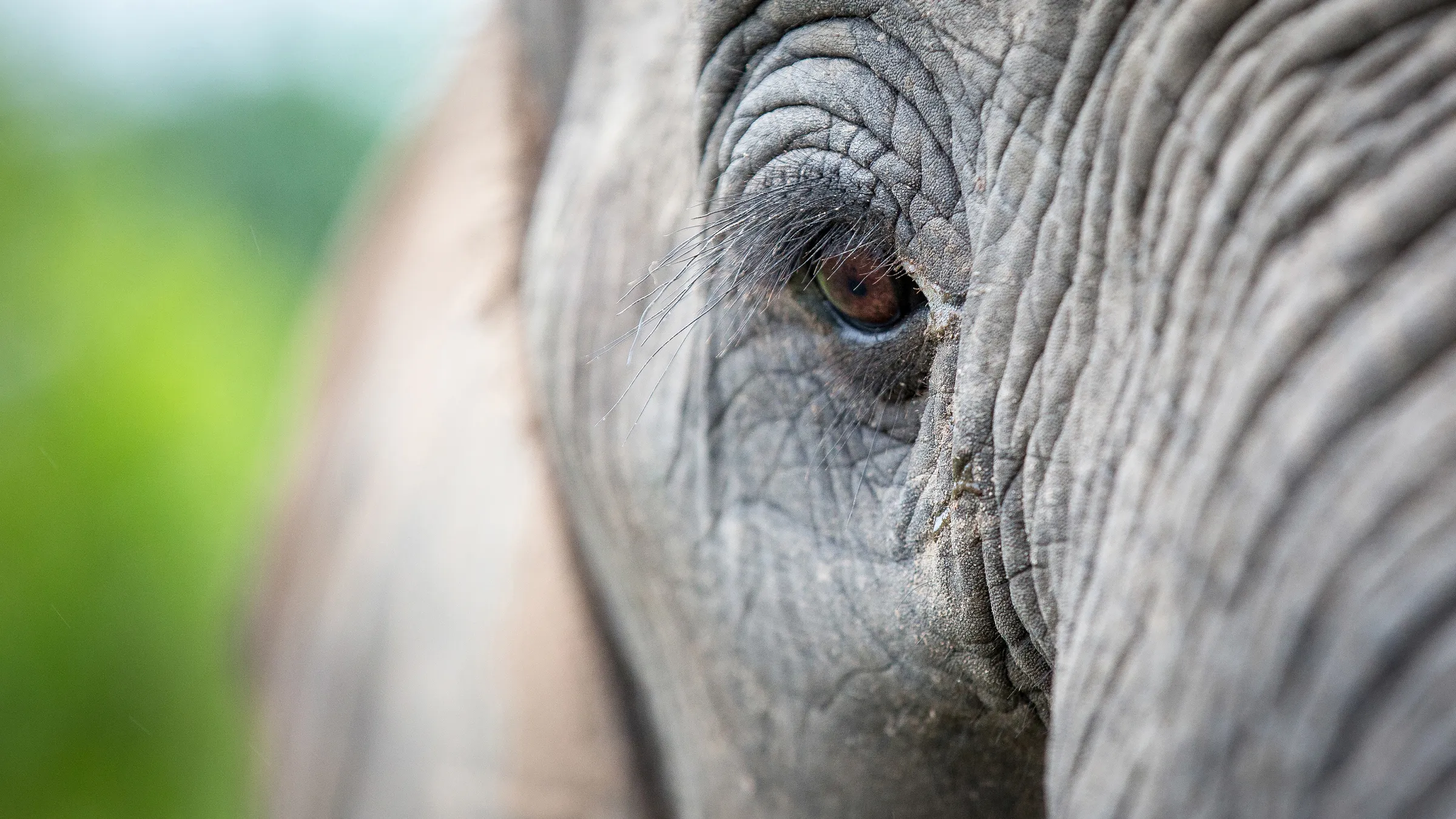
Close-up of an elephant's eye, long lashes, wrinkled skin – wildlife encounter in Tarangire National Park

10:00 · Tarangire River

Eye to eye with the herd.

In the dry season the Tarangire River is the main source of water in the region, and the herds come down to drink. Elephant, buffalo, zebra and wildebeest are abundant, lions common, leopards rare. There are no rhinos. Picnic lunch in the park, then back to Arusha in the afternoon.

Park fee 50 USD plus 18% VAT, children 15 USD. Tsetse: no blue, no black.

Photo: Mint_Images, Envato Elements

The whole day

Tarangire National Park · Itinerary: How it really goes.

  1. 06:30Pickup at your hotel in Arusha, up to 08:00 depending on the operator.
  2. 09:00Park gate after around 120 km on tarmac.
  3. 09:30Game drive along the Tarangire River.
  4. 13:00Picnic lunch in the park, second loop through baobab country.
  5. 15:30Drive back to Arusha; the gates close at 18:00.
  6. 18:00Back at the hotel.

Hotel pickup in Arusha is between 6:30 and 8:00; Kilimanjaro Mavens gives 6:30 to 7:00. After two to three hours' drive towards Makuyuni you reach the park gate around 9:00 to 10:00. The first game drive usually follows the Tarangire River, where the herds drink in the dry season. Around 13:00 there is a picnic lunch at a picnic site in the park, followed by a second loop through baobab and acacia country. The return drive starts between 15:30 and 16:00, and depending on the operator you are back at your hotel between 17:30 and 19:00. The day takes about eleven hours door to door, and the park gates close at 18:00.

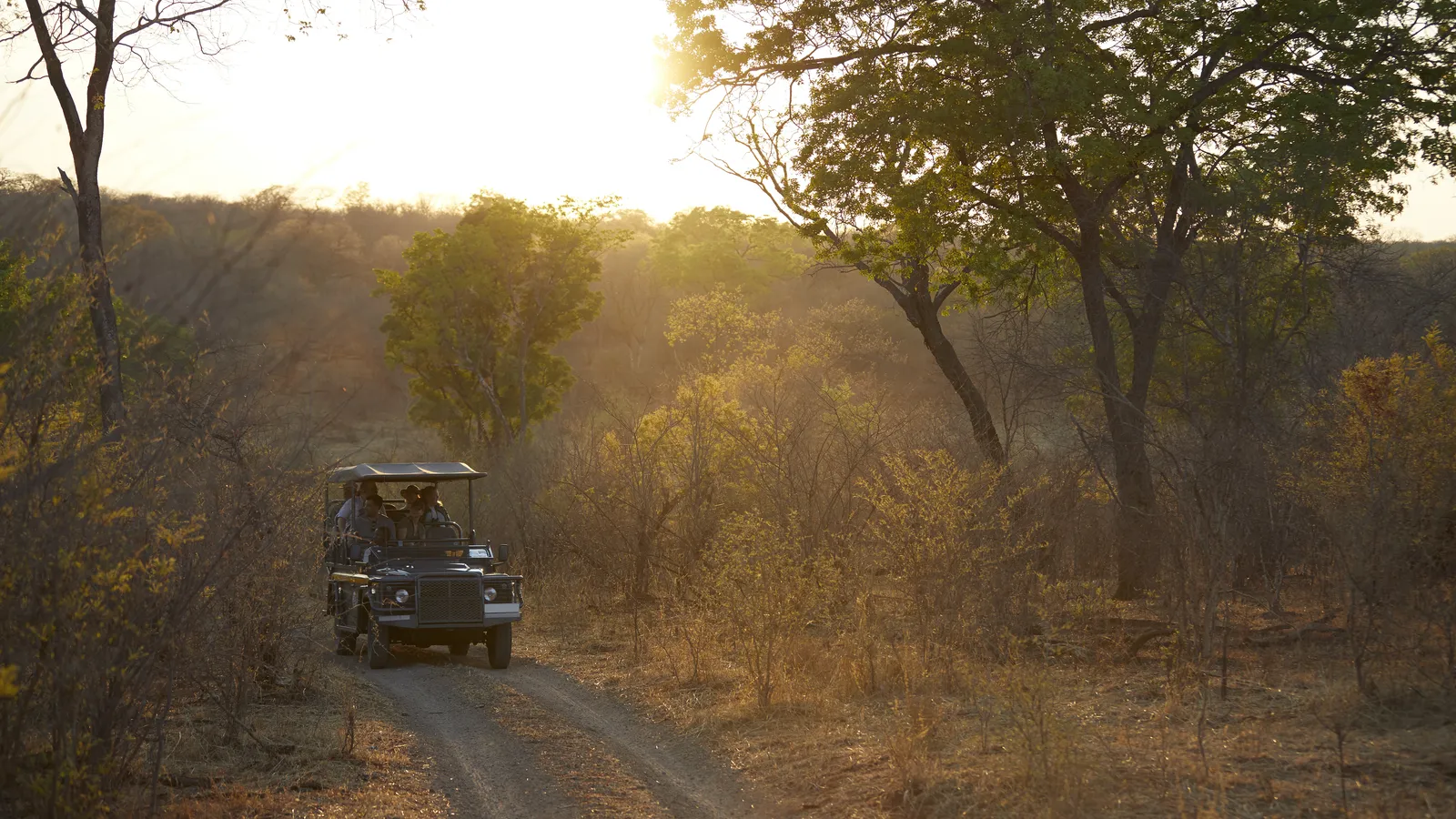
Open safari vehicle on a gravel track in the morning light – on the road in Tarangire National Park
Photo: Image-Source, Envato Elements · Stock image

13:00 · Decide

Tarangire National Park · Day tours: The day tours people actually book.

Sorted by number of reviews, only tours with genuine reviews. Booking via GetYourGuide or Viator through affiliate links (advertising), same price as booking direct. Prices as of 3 October 2026, in US dollars.

Show all 21 tours
Full day

Tarangire National Park Day Trip

★ 5.0 · 5 reviews

from$250Availability →

via Viator

Full day

1-Day Safari-Trip to Tarangire National Park

★ 5.0 · 4 reviews

from$361.03Availability →

via Viator

Full day

From Arusha : Day trip to Tarangire National Park

★ 4.6 · 3 reviews · 11 hours · Guided tour

from$250Availability →

via GetYourGuide · usually free cancellation up to 24 h before

Full day

Day Trip to Tarangire National Park from Arusha

★ 5.0 · 1 reviews

from$350Availability →

via Viator

Full day

Day Trip to Tarangire National Park From Arusha / Kilimanjaro

★ 5.0 · 1 reviews

from$320Availability →

via Viator

Full day

Tarangire National Park Guided Day Tour From Arusha

★ 5.0 · 1 reviews

from$395Availability →

via Viator

Full day

Arusha: Tarangire National Park 1-Day Group Joining Safari

★ 5.0 · 1 reviews

from$270Availability →

via Viator

Full day

1-Day Trip to Tarangire National Park

★ 1.0 · 1 reviews · 1 day · Day trip

from$350Availability →

via GetYourGuide · usually free cancellation up to 24 h before

Full day

1-Day Tarangire National Park Tanzania Safari-Arusha

★ 4.0 · 1 reviews · 1 day · Guided tour

from$300Availability →

via GetYourGuide · usually free cancellation up to 24 h before

Full day

#1.Best Tarangire Day Trip Safari tour-ISMANI TOURS & SAFARI

★ 2.0 · 1 reviews · 12 hours · Guided tour

from$320Availability →

via GetYourGuide · usually free cancellation up to 24 h before

Private

Tarangire National Park Private Day Tour

★ 5.0 · 1 reviews

from$310Availability →

via Viator

Private

Private Tarangire National Park Day Tour

★ 5.0 · 1 reviews

from$583.34Availability →

via Viator

Official fees and prices

  • Conservation Fee non-East Africans aged 16 and over, per person per 24 hours, peak season 16 May to 14 March (TANAPA tariff 1 July 2023 to 30 June 2026)50 USD plus 18% VAT, i.e. 59.00 USD2026-10-02
  • Conservation Fee non-East Africans aged 16 and over, low season 15 March to 15 May45 USD plus 18% VAT, i.e. 53.10 USD2026-10-02
  • Conservation Fee children aged 5 to 15, per day; under 5 free15 USD plus 18% VAT, i.e. 17.70 USD2026-10-02
  • Day safari from Arusha, private vehicle, park fees included (Tanzania Experience)650 USD solo, 370 USD per person for two, 170 USD from 7 people2026-10-02
  • Day safari from Arusha, cheapest shared tour on Safaribookings175 EUR per person2026-10-02
20 sourcesChecked on 2 October 2026No cookies, no trackingTANAPA Conservation Fee Tarangire, non-East Africans aged 16 and over, peak season 16 May to 14 March: 50 USD plus 18% VAT (59.00 USD)
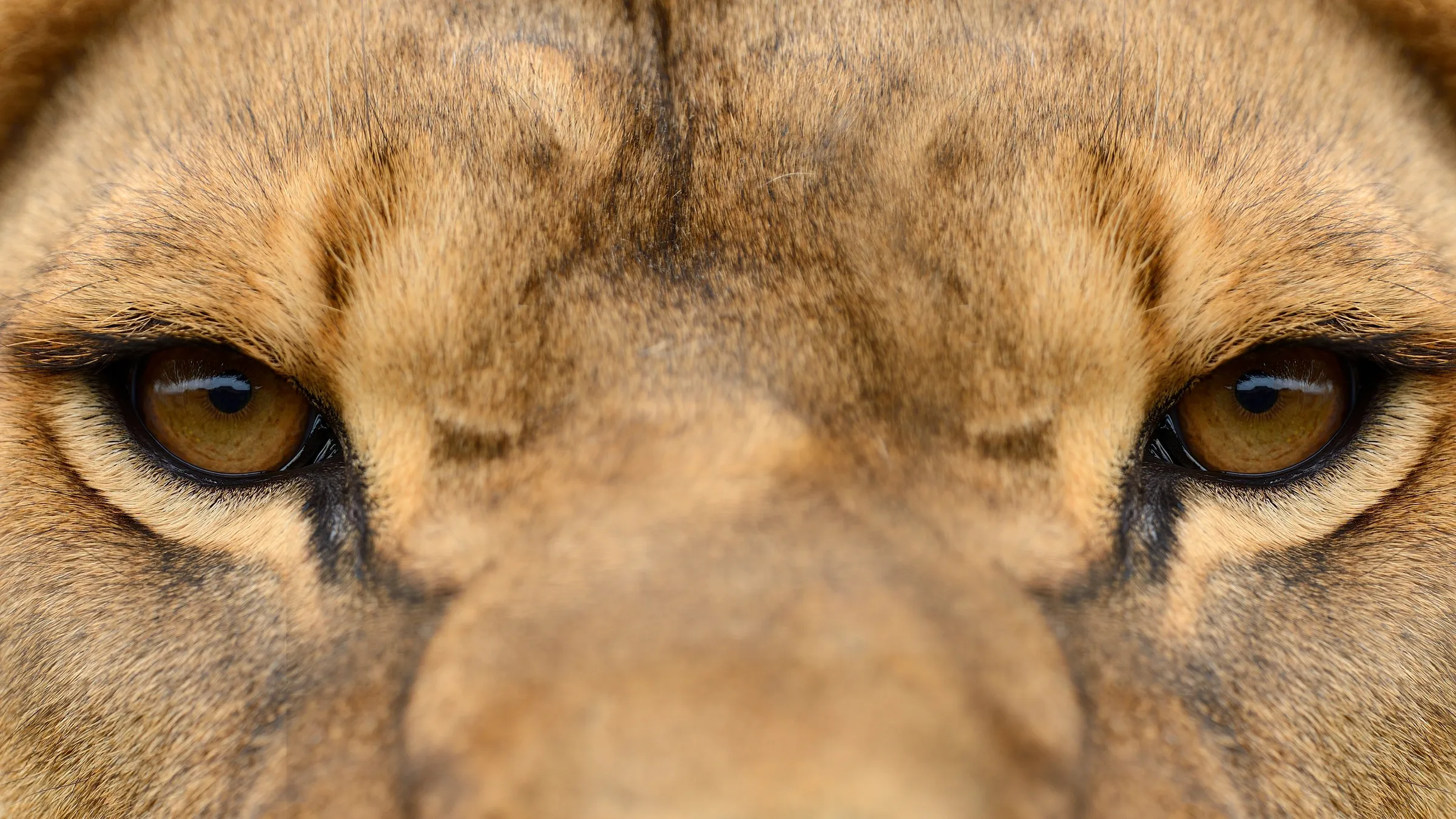
Close-up of a lioness's eyes – wildlife encounter in Tarangire National Park

15:30 · Second look

Tarangire National Park: What the web gets wrong.

Tarangire costs 70 USD to enter

That figure appears on the TANAPA park page. The most recently published TANAPA tariff gives 50 USD for non-East Africans in peak season and 45 USD from 15 March to 15 May, plus tax in each case. 70 USD applies to the Serengeti and Nyerere.

Tarangire has the Big Five

Safaribookings lists both rhino species as “None”. Four of the five are possible, but leopards are rare.

Tarangire is part of the Serengeti's Great Migration

The herds that come to the Tarangire River from July to November come from the surrounding steppe. The Serengeti wildebeest migration takes place further north-west.

Mosquito spray works against tsetse flies

The US Centers for Disease Control and Prevention (CDC) states that repellents and permethrin offer little protection against tsetse. Medium-weight clothing and avoiding blue and black work better.

Tsetse bites in Tarangire transmit sleeping sickness

A study of 49 tsetse flies from Tarangire (2012 and 2013) found no trypanosomes that infect humans. The bites are painful, but a risk cannot be ruled out entirely.

There is no malaria in the dry season

Safaribookings only says there are fewer mosquitoes. The German Federal Foreign Office describes the risk as high all year.

Photo: byrdyak, Envato Elements

15:30 · Drive back

Tarangire National Park · Park fees: What it costs.

Day safaris from Arusha cost 170 to 650 USD per person depending on group size. Tanzania Experience charges 650 USD solo in a private vehicle, 370 USD each for two and 170 USD from seven people, and Kilimanjaro Mavens starts at 170 USD. Safaribookings lists 88 Tarangire day trips; the cheapest shared one is 175 EUR, and the listings shown range from 182 to 320 EUR.

Vehicle, driver-guide, picnic, water and park fee are usually included. The park fee alone under the TANAPA tariff is 50 USD per adult per day, 45 USD from 15 March to 15 May and 15 USD for children aged 5 to 15, plus 18% VAT in each case. Tips come on top; Altezza Travel suggests 30 to 50 USD per vehicle per day.

Official fees and prices

  • TANAPA Conservation Fee Tarangire, non-East Africans aged 16 and over, peak season 16 May to 14 March50 USD plus 18% VAT (59.00 USD)As of 2026-10-02
  • TANAPA Conservation Fee Tarangire, non-East Africans aged 16 and over, low season 15 March to 15 May45 USD plus 18% VAT (53.10 USD)As of 2026-10-02
  • TANAPA Conservation Fee Tarangire, children aged 5 to 15 (under 5 free)15 USD plus 18% VAT (17.70 USD)As of 2026-10-02
  • TANAPA vehicle fee, commercial or foreign registration up to 2,000 kg, per day40 USDAs of 2026-10-02
  • TANAPA short walking safari (1 to 4 hours), adults, on top of the Conservation Fee20 USDAs of 2026-10-02
  • TANAPA night game drive Tarangire, aged 16 and over, per person50 USDAs of 2026-10-02
Safari vehicle in the savanna under the evening sky – on the road in Tarangire National Park
15:30 · Back through the evening lightPhoto: ADDICTIVE_STOCK, Envato Elements · Stock image

Best time to go

Tarangire National Park · Best time to visit: When it is worth it.

Safaribookings rates July to November as excellent, June and December as good and January to May as fair. In the dry season the surrounding water sources dry up and the animals move to the Tarangire River; Wikipedia describes large herds of thousands of zebra, wildebeest and buffalo from June to November. That is also when the park is busiest.

In the wet season from November to May the landscape is green and birdlife at its richest, but many animals disperse into the steppe. March and April are the wettest months.

Who you might meet

Elephantbuffalohippo and lion; spotted hyena; leopard and cheetah; wild dog; also elandgerenuk and over 550 bird species; no rhinoszebra and wildebeest; giraffehartebeestfringe-eared oryx

Four of the Big Five live in the park: Safaribookings rates elephant and buffalo as abundant, lions as common and leopards as rare. Safaribookings lists rhinos in Tarangire as “None”.

The German Federal Foreign Office states a high year-round malaria risk for all of Tanzania below 2,500 metres, explicitly including the national parks. Tarangire lies well below that, so the whole park is within the risk area, as is Arusha at around 1,400 metres. According to Safaribookings there are fewer mosquitoes in the dry season, but the risk remains.

Who is it for?

With children

Children under 5 pay no park fee, those aged 5 to 15 pay 15 USD plus tax. With four to six hours of driving there and back and around five hours of game driving it is a long day, but quite manageable from around eight years old. Elephant herds up close usually thrill children more than rare big cats.

Malaria

Tarangire lies in a high-risk area, as does Arusha. The German Federal Foreign Office advises consistent protection against mosquito bites by day and night and considers tablets advisable in high-risk areas; falciparum malaria accounts for over 99% of cases. Get travel-medicine advice on prophylaxis for your whole stay.

Self-drive

Possible, and the road from Arusha is tarmac. On top of the park fee, hire cars up to 2,000 kg pay a 40 USD vehicle fee, and a guide is available for 20 USD per group. Plan the return so that you are back before dark: the German Federal Foreign Office advises against overland driving after sunset, and the park gates close at 18:00.

Limited mobility

You travel in a 4x4 with a pop-up roof, and the step up is high. The only walking is at the picnic site, and the tracks in the park are dusty and bumpy. The tour is generally not suitable for wheelchair users, but is manageable with limited mobility if you are steady on your feet.

What to wear

Tarangire is tsetse country. The flies are particularly drawn to blue and very dark colours and bite through thin fabric, so medium-weight long clothing in khaki, olive or beige is the best choice; leave blue and black in your suitcase. Mornings are cool in the open vehicle, and it gets hot from late morning. Add a hat, sunglasses, sunscreen and mosquito repellent.

What to wear? Read the safari clothing guide →

Photography

Elephants under baobabs and along the river can often be photographed with a medium focal length, while a telephoto lens of 200 mm or more pays off for lions and birds. The best light is just after arrival and from 15:00. In the dry season it is dusty, so a bag for the camera helps.

Budget

A day safari from Arusha is hard to find for under 170 USD per person, and alone in a private vehicle you pay 430 to 650 USD. You can save with shared tours from 175 EUR. Tarangire's park fee is 50 USD, compared with 70 USD in the Serengeti.

Tips for the day

  1. 01Ask your guide to start the game drive along the Tarangire River. That is where the big herds drink in the dry season.
  2. 02Do not wear blue or black clothing. Repellent does little against tsetse; colour and thicker fabric help more.
  3. 03Leave as early as possible. If you set off at 6:30 you are in the park before the midday heat and get an extra hour of game driving.
  4. 04Ask before booking whether the park fee and VAT are included and whether the vehicle is private or shared.
  5. 05Take your passport; it is required at the park gate.
  6. 06Plan for July to October if you have a free choice. Safaribookings rates January to May only as fair.
  7. 07Pack a warm jacket for the morning drive; it gets cold in an open vehicle.
  8. 08If you have a night to spare, combine Tarangire with Lake Manyara or the Ngorongoro Crater rather than trying to do everything in one day.

18:00 · Back

Tarangire National Park: Frequently asked questions.

How much is the entrance fee for Tarangire National Park?

Under the most recently published TANAPA tariff, non-East Africans aged 16 and over pay 50 USD per day, 45 USD from 15 March to 15 May; children aged 5 to 15 pay 15 USD and under-5s nothing. Add 18% VAT, so 59.00 USD in peak season. On booked tours the fee is usually included in the price.

How far is Tarangire from Arusha?

Around 120 km, mostly on tarmac. Wikipedia says under two hours, while operators reckon two to three hours each way.

Is Tarangire worth it as a day trip?

Yes, Tarangire is the best day-trip destination from Arusha: the drive is reasonable, elephant, buffalo, zebra and wildebeest are abundant, and lions are common. You get a net five to six hours in the park. With more time, an overnight stay adds the evening and early-morning game drives.

How much does a Tarangire day trip from Arusha cost?

Shared tours start at 175 EUR per person on Safaribookings. Private tours with Tanzania Experience cost 650 USD solo, 370 USD each for two and 170 USD from seven people, park fees included. Tips usually come on top.

When is the best time to visit Tarangire?

July to November, when the animals gather at the Tarangire River. June and December are good, January to May fair, because the herds disperse into the steppe in the wet season. March and April are the wettest months.

Are there tsetse flies in Tarangire?

Yes. Researchers have caught tsetse flies of the species Glossina swynnertoni and Glossina morsitans in Tarangire, and TANAPA has set up insecticide targets there. The flies are drawn to blue and black and bite through thin fabric. Wear medium-weight clothing in khaki or olive.

Will I see lions in Tarangire?

Often, but not guaranteed. Safaribookings rates lions in Tarangire as common, and leopards and cheetahs as rare. Your chances are best in the early morning and late afternoon.

Do I need malaria prophylaxis for Tarangire?

The German Federal Foreign Office classes all of Tanzania below 2,500 metres, national parks included, as a high-risk area all year and considers tablets advisable there in addition to mosquito protection. The decision applies to your whole trip and is a matter for travel-medicine advice.

Tarangire or Lake Manyara?

For one day, Tarangire: the park is four times the size, the drive is similar, and elephants, buffalo and lions are more common. Lake Manyara scores with its groundwater forest, flamingos and occasionally lions in trees.